
When it comes to creating the perfect outdoor space, choosing the right paving material is crucial. Paving not only provides functionality but also adds aesthetic value to your surroundings. With numerous options available, it’s essential to understand the characteristics and qualities of different paving materials to make an informed choice. In this blog, we delve into five popular paving materials, each with its unique attributes and considerations.
Table of Contents
Dry Cast Concrete Pavers
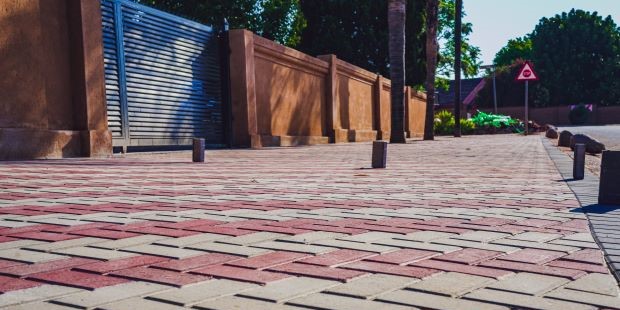
Dry-cast concrete has minimal water content. Producing pavers from dry-cast concrete needs machinery to apply tremendous pressure, compacting the mix into moulds. Once the mould is removed, the paver undergoes curing.
Dry cast pavers typically have a rougher, coarser, and more porous texture, limiting their ability to replicate a wide range of stone types. The process also offers a limited scope of colours.
Dry-cast concrete pavers are the workhorses of the paving world. They offer a cost-effective solution for a wide range of applications. These pavers are dimensionally accurate, making them easy to install, and come in various shapes and sizes, catering to diverse design preferences.
Dry Cast Concrete Advantages:
- Cost-Efficiency: Dry cast paving is generally more cost-effective than wet cast because it requires fewer raw materials and less labour. This makes it an excellent choice for budget-conscious projects.
- Strength: Dry cast paving often results in a higher compressive strength due to the compacting process, making it suitable for areas with heavy loads, like industrial sites or warehouse floors.
- Uniform Thickness: The dry cast method ensures consistent thickness across the pavers, which is important for applications where precise measurements are required.
- Minimal Maintenance: Dry cast pavers are typically low-maintenance and can withstand the elements well, making them a practical choice for outdoor walkways and driveways.
Dry Cast Paving is typically used in:

• High-Volume Projects: It’s ideal for large-scale projects where cost and speed of installation are paramount, such as roadways, sidewalks, and industrial flooring.
• Industrial Areas: Due to its strength and durability, dry cast paving is often used in industrial settings like warehouses, factories, and loading docks.
Public Infrastructure: Dry cast pavers are suitable for public infrastructure projects like sidewalks, bike paths, and roadways, where rapid installation is crucial.
Wet Cast Concrete Pavers
As the name implies, wet-cast concrete has a higher water content in its uncured mix. The process of creating wet cast pavers involves pouring the concrete into moulds and vibrating it to release air bubbles. The concrete remains in the mold until it cures, at which point the mould is removed, and the paver is ready for use.
Wet cast concrete pavers offer a more visually pleasing alternative to bricks and can mimic the appearance of natural stone effectively. With various shapes, textures, and sizes available, wet-cast concrete pavers provide endless design possibilities.


Wet Cast Paving Advantages:
- Smooth Finish: Wet cast paving offers a smoother and more polished finish compared to dry cast paving. This makes it an ideal choice for projects where aesthetics are crucial, such as decorative walkways and high-end architectural designs.
- Colour Variety: It allows for a broader range of color options and intricate patterns. Pigments and decorative aggregates can be added to the wet concrete mix, providing greater design flexibility.
- Durability: Wet cast paving is generally more durable and can withstand heavy traffic, making it suitable for areas with high footfall or vehicle use, such as driveways, parking lots, and public squares.
- Complex Shapes: Wet cast paving can be used to create complex shapes and intricate designs, as it is poured into molds that can accommodate various forms and sizes.
Wet Cast Paving is Typically used in:
- Decorative Landscaping: Wet cast is often chosen for decorative elements in landscaping, including patios, garden pathways, and outdoor seating areas.
- Architectural Projects: It’s favored for architectural designs, including building facades, public art installations, and other aesthetically demanding applications.
- High-Traffic Areas: Due to its durability, wet cast paving is suitable for areas with heavy foot traffic or vehicular loads, such as commercial driveways, plazas, and public squares.
Natural Stone Pavers

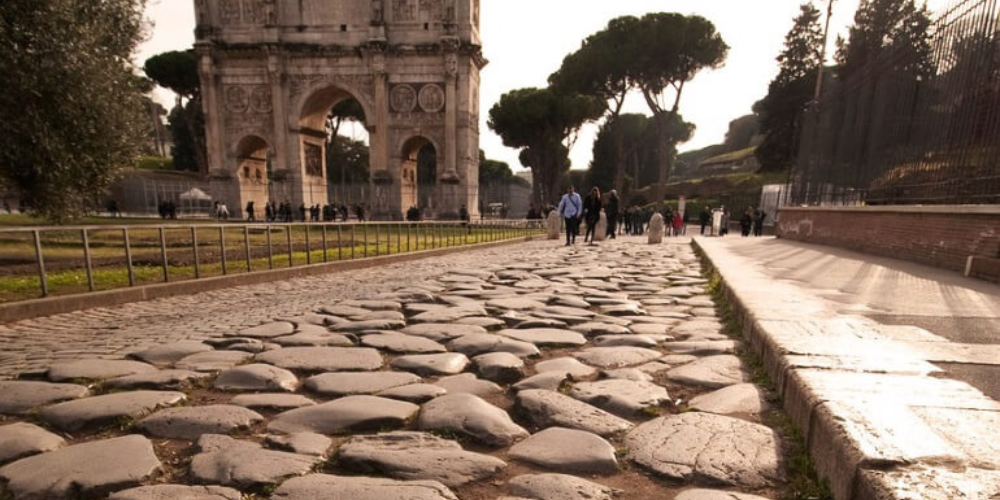
Natural stone pavers have an innate charm that’s hard to replicate. Their use often reflects a fashionable desire for all things “natural” in construction and landscaping. From flagstone to granite, natural stone can create stunning outdoor spaces. However, their Achilles’ heel lies in long-term consistency, as each stone is unique and may not provide the dimensional accuracy some projects require. Additionally, natural stone can be susceptible to flaking, breaking, staining, and discoloration over time. In one word, natural stone pavers are all about natural beauty
Natural Stone Paving Advantages:
- Low Maintenance: Stone pavers are durable and less prone to cracking. But if damage were to occur, they are easy to repair and replace. Additionally, natural stones are effortless to clean, requiring minimal maintenance.
- Ages Beautifully: Unlike concrete pavers, natural stones do not have pigmented colours. This means that as they age, their colours mature and become even more beautiful. They have a long lifespan, and certain stones can maintain their elegance and beauty for centuries.

- Style Variety: Natural stone pavers offer a wide range of style choices, from light beige sandstone to dark ebony granite. Depending on your preferences, you can select irregular or flat surfaces, various shapes (triangles, diamonds, rectangles), and textures, allowing you to create a unique and visually interesting outdoor space.
Natural Stone is Typically Used in:
- Outdoor Areas: Stone benches and seating walls made from natural stone pavers can be integrated into your outdoor space for comfortable seating.
- Courtyards: Natural stone pavers can be used to create charming courtyards, providing a tranquil and inviting space within your landscape.
Clay Pavers
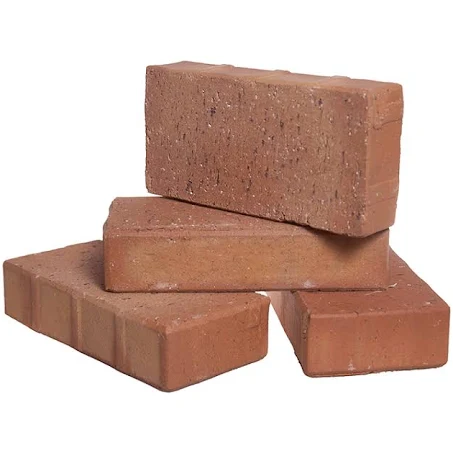
Clay pavers bring a classic, timeless appeal to any space. They offer a natural appearance with excellent colour fastness, making them durable and resistant to fading. These pavers also come at a lower initial installation cost, making them a budget-friendly option. Clay pavers are known for providing a smooth driving surface. However, their downside includes limited options in terms of colours, shapes, and sizes, which may not align with more modern design trends. Additionally, they can be prone to chipping and lack dimensional accuracy. In one word, clay pavers are clean and classic.
Clay Paving Advantages:
- Durability: Clay pavers can withstand heavy traffic and extreme weather conditions, making them an excellent choice for regions that require road surfaces to endure harsh winters with heavy salting. In fact, many clay paver projects in the US have lasted for over a century, demonstrating their longevity.
- Colourfastness: Clay pavers are colourfast, meaning they resist fading and discoloration over time. The firing process they undergo helps seal in the colour, making them highly resistant to fading when exposed to UV light or extreme weather conditions. This quality ensures that the chosen colour remains vibrant for years, making clay pavers suitable for projects where colour stability is essential.
- Slip Resistance: Clay brick pavers provide excellent traction, even in wet conditions, making them ideal for areas prone to heavy foot traffic, such as swimming pool pathways and commercial footpaths.
Clay is Typically Used in:
Clay pavers are best used in a variety of outdoor hardscape projects, including but not limited to:

- Swimming Pool Pathways: Their slip-resistant properties make clay pavers a safe choice for pathways around swimming pools.
- Patios: Clay pavers are often chosen for outdoor patios due to their natural and attractive appearance, which creates a warm and inviting atmosphere.
- Walkways and driveways: Clay pavers provide a durable and visually appealing surface for pedestrian walkways in parks, gardens, and urban areas. Their durability and resistance to staining make clay pavers a suitable choice for driveway construction, ensuring longevity and aesthetic appeal.
Conclusion
In conclusion, the world of paving materials offers a range of options to suit different needs. Whether you prioritize affordability and durability like dry cast concrete pavers, aesthetics and versatility like wet cast concrete pavers, the natural beauty of stone, or the classic look of clay pavers, there’s a material for you.
Dry cast concrete pavers are cost-effective and robust, ideal for large projects and industrial areas. Wet cast concrete pavers provide a polished finish and design flexibility, perfect for decorative and high-traffic areas. Natural stone pavers are low-maintenance and age beautifully, while clay pavers offer a timeless appeal, durability, and colour stability.
Ultimately, your choice should align with your project’s requirements and preferences, ensuring both functionality and aesthetics in your outdoor space.